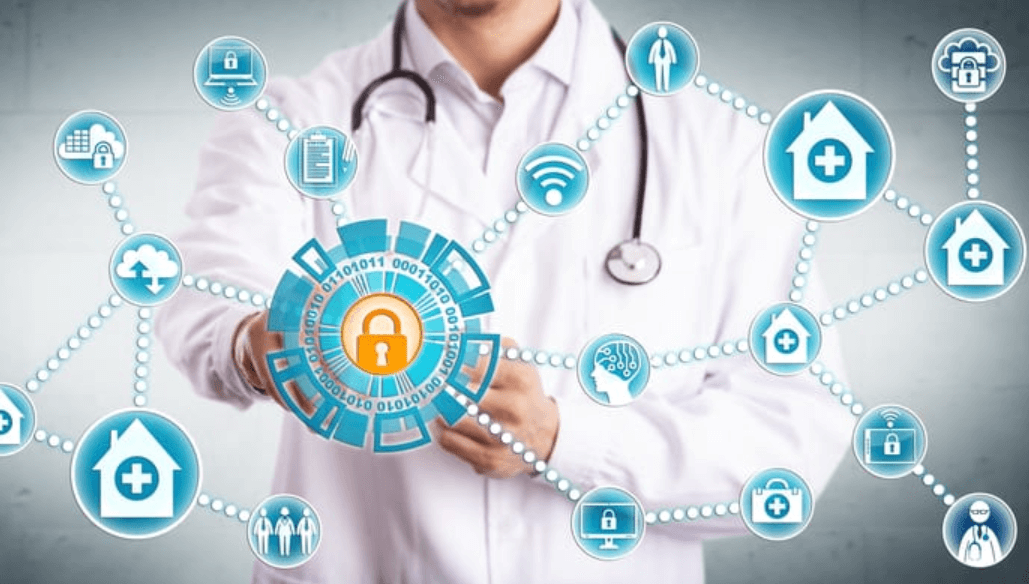
Understanding the Internet of Medical Things (IoMT)
The Internet of Medical Things (IoMT) represents a significant advancement in healthcare technology. This network of connected medical devices allows for real-time patient data transmission, enhancing monitoring and health management. While IoMT offers numerous benefits, it also introduces critical challenges related to data security and patient privacy. Understanding these dynamics is essential for stakeholders aiming to optimize IoMT’s potential while safeguarding patient trust. What implications does this hold for the future of healthcare delivery?
Key Components of IoMT
The Internet of Medical Things (IoMT) comprises several key components that facilitate the integration of healthcare and technology.
Central to IoMT are sensors integration, which enables real-time monitoring of patient health, and robust data security measures to protect sensitive information.
These components work together to enhance the efficiency and reliability of healthcare systems, ensuring that patient data remains secure while promoting advanced medical interventions.
Benefits of IoMT in Healthcare
Enhanced patient outcomes represent a significant advantage of the Internet of Medical Things (IoMT) in healthcare.
By facilitating remote monitoring, IoMT enables healthcare providers to track patient data in real-time, improving clinical decision-making.
Additionally, enhanced patient engagement through connected devices fosters proactive health management, empowering individuals to take control of their wellness and adhere to treatment plans more effectively.
See also: Understanding the Impact of Cloud Computing on Small Businesses
Challenges and Concerns
While the Internet of Medical Things (IoMT) offers substantial benefits, it also presents several challenges and concerns that must be addressed.
Notably, security vulnerabilities within connected devices can expose sensitive medical data.
Additionally, issues surrounding data privacy raise significant ethical questions, as unauthorized access could compromise patient confidentiality.
Tackling these challenges is essential to ensure the safe and effective integration of IoMT in healthcare.
The Future of IoMT and Healthcare
As healthcare continues to evolve, the Internet of Medical Things (IoMT) is poised to play a transformative role in patient care and operational efficiency.
Future advancements will leverage predictive analytics for proactive health management and enhanced decision-making.
Moreover, remote monitoring technologies will empower patients and clinicians alike, fostering a more connected ecosystem that prioritizes personalized care and improves overall health outcomes.
Conclusion
In the evolving landscape of healthcare, the Internet of Medical Things (IoMT) represents a lighthouse, guiding practitioners towards enhanced patient care and proactive management. However, this beacon casts shadows of concern around data security and patient privacy. As healthcare navigates these waters, striking a balance between innovation and trust will be paramount. Embracing the full potential of IoMT while safeguarding sensitive information will ensure that the journey toward improved clinical outcomes remains both bright and secure.