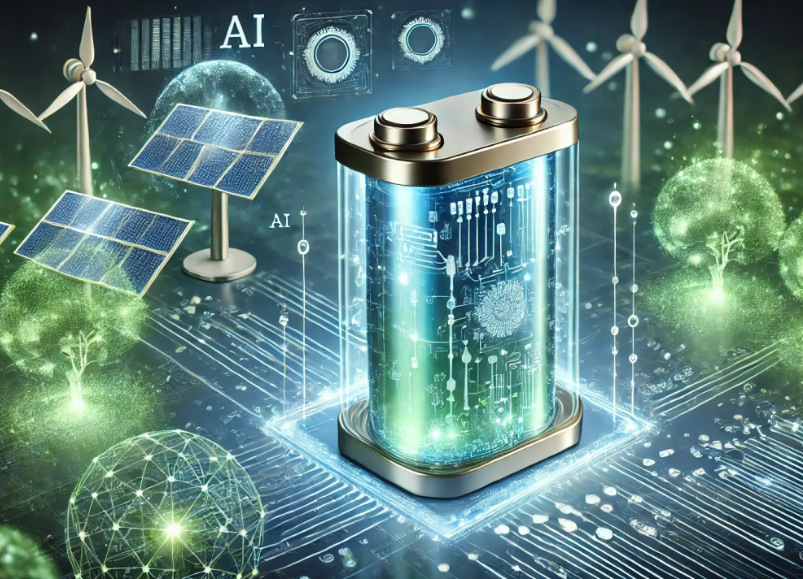
smart li ion battery: Revolutionizing Energy Storage
In the era of modern technology, batteries are no longer just power sources; they are becoming smarter, more efficient, and safer. Among the most significant innovations is the smart li ion battery. This advanced battery technology integrates intelligence with energy storage, ensuring optimal performance, longevity, and safety.
What is a Smart Li-Ion Battery?
A smart Li-ion battery is a lithium-ion battery equipped with a built-in Battery Management System (BMS) and advanced sensors. Unlike traditional lithium-ion batteries, which simply store and provide energy, smart Li-ion batteries monitor, analyze, and regulate their own performance in real-time. This enables them to prevent overcharging, overheating, and deep discharge, enhancing both efficiency and lifespan.
The “smart” aspect of these batteries lies in their ability to communicate with devices, manage energy flow intelligently, and provide valuable data for maintenance and diagnostics.
See also: Top Tech Conferences You Need to Attend in 2025
How Smart Li-Ion Batteries Work
Smart Li-ion batteries combine traditional lithium-ion chemistry with electronic intelligence. Here’s how they function:
- Battery Management System (BMS):
The BMS continuously monitors voltage, current, and temperature of each cell within the battery. It ensures that all cells are balanced and that none exceed safe operating limits. - Temperature Control:
Smart Li-ion batteries use sensors to prevent overheating. If the battery temperature rises above safe levels, the system can reduce the load or shut down temporarily to avoid damage. - Charge and Discharge Optimization:
By analyzing usage patterns and energy requirements, these batteries optimize charge and discharge cycles. This prevents excessive wear and prolongs the battery’s life. - Communication Capability:
Some smart Li-ion batteries can communicate with connected devices, providing real-time information such as state-of-charge (SoC), state-of-health (SoH), and expected runtime.
Benefits of Smart Li-Ion Batteries
The adoption of smart Li-ion batteries has numerous advantages over conventional batteries:
- Extended Lifespan: Intelligent charge/discharge management prevents overuse and degradation.
- Enhanced Safety: Built-in protection systems reduce risks of thermal runaway, short circuits, and overcharging.
- Real-Time Monitoring: Users can track battery health and performance instantly.
- Energy Efficiency: Optimized energy usage reduces wastage and improves overall efficiency.
- Eco-Friendly: Prolonged battery life reduces the frequency of replacements, minimizing environmental impact.
Applications of Smart Li-Ion Batteries
Smart Li-ion batteries are rapidly transforming multiple industries:
- Electric Vehicles (EVs): Ensures longer range, faster charging, and safer operation.
- Consumer Electronics: Smartphones, laptops, and wearables benefit from longer battery life and better performance.
- Renewable Energy Storage: Solar and wind energy systems use smart batteries for efficient energy storage and management.
- Medical Devices: Critical equipment like pacemakers and portable diagnostic tools rely on safe and reliable battery performance.
Common Features of Smart Li-Ion Batteries
- Cell balancing
- Overcharge, over-discharge, and overcurrent protection
- Thermal management
- State-of-charge and state-of-health monitoring
- Communication interface for device integration
FAQs About Smart Li-Ion Batteries
Q1: Are smart Li-ion batteries more expensive than regular batteries?
Yes, smart Li-ion batteries typically cost more due to their advanced BMS and intelligent features. However, their longer lifespan and enhanced safety make them cost-effective in the long run.
Q2: Can smart Li-ion batteries be used in any device?
While they can technically replace standard Li-ion batteries, compatibility with the device’s charging system and software is essential to utilize their full potential.
Q3: How long do smart Li-ion batteries last?
Depending on usage and maintenance, smart Li-ion batteries can last 2–5 years or more, often exceeding the lifespan of conventional batteries.
Q4: Do smart Li-ion batteries require special charging equipment?
Not always, but using chargers recommended by the manufacturer ensures optimal performance and safety.
Q5: Are smart Li-ion batteries environmentally friendly?
Yes, by extending battery life and preventing premature disposal, smart Li-ion batteries reduce electronic waste. Additionally, they support renewable energy storage, contributing to sustainable practices.
Conclusion
The smart Li-ion battery represents the next step in energy storage technology. With its advanced safety features, real-time monitoring, and optimized performance, it is ideal for modern devices and renewable energy systems. As technology continues to evolve, smart Li-ion batteries will play a crucial role in powering a sustainable, efficient, and safe future. For consumers and industries alike, embracing smart battery technology is no longer optional—it’s a necessity.